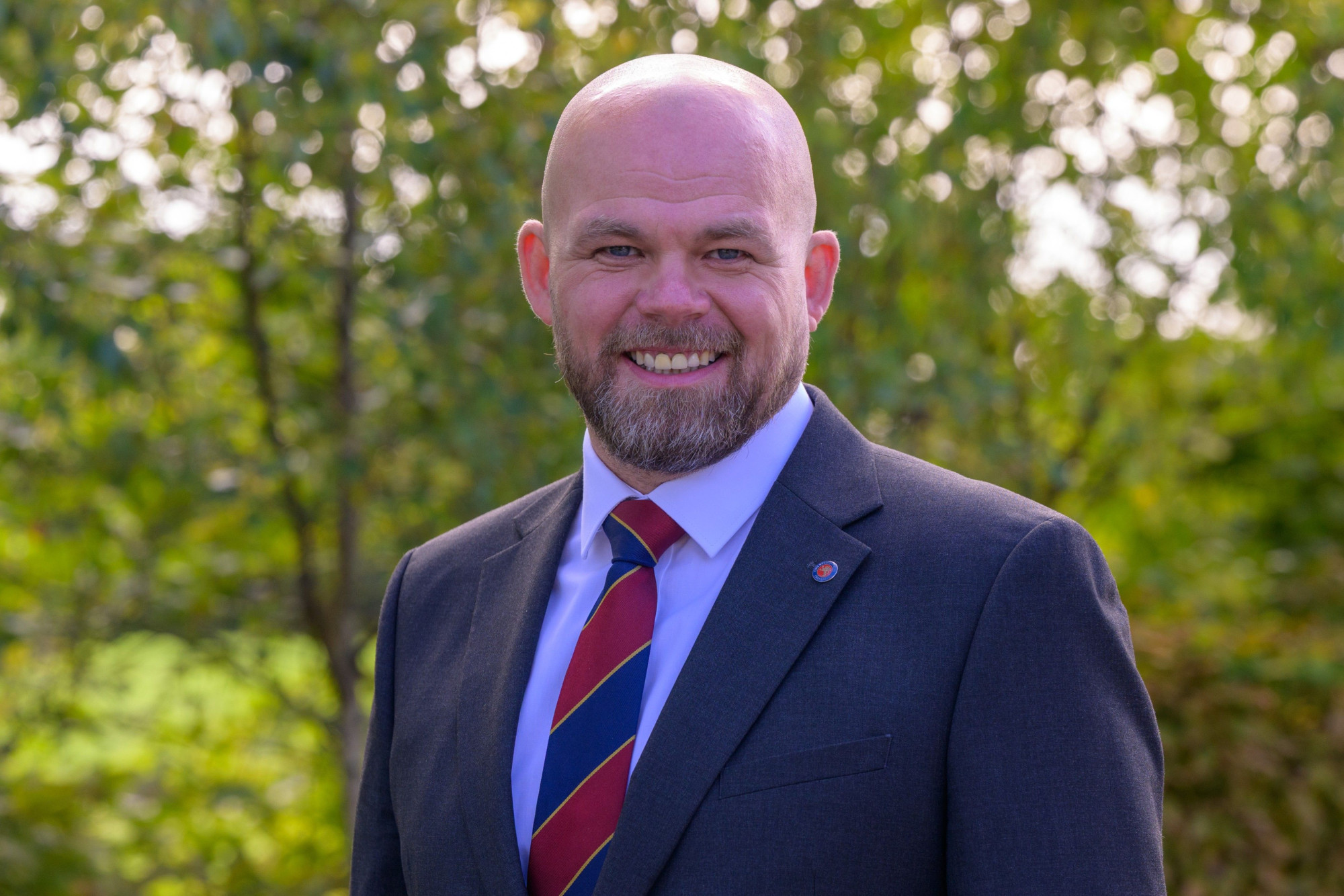
Our Chair, Darren Adams, recently attended the CNC Post-Incident seminar at the Lord Roberts Centre in Bisley as part of the annual Post-Incident Manager refresher. Following on from his previous blog, he writes about readiness and why, in challenging PIP situations, attention to the small details is so important:
The event was opened by Chief Constable Simon Chesterman, who also holds the national portfolios for firearms and post-incident policing. Across the two days, we heard from Post-Incident Managers, Professional Standards investigators, and officers who have been through the Post-Incident Procedure following fatal police shootings and Death or Serious Injury (DSI) investigations following police contact. While the inputs covered policy and process, what stood out most was the human side of the Post Incident Procedure and the impact it has on officers and their families.
One incident discussed involved a fatal police shooting that did not begin as a planned firearms operation. It began as a call to assist with making entry. Something that, while not routine for CNC, has happened and could happen again, particularly as we see an increasing number of requests to assist Home Office forces with a range of policing functions. Within minutes, officers went from dealing with a planned entry to being involved in a fatal police shooting and everything that follows, the Post Incident Procedure, investigations, statements and years of scrutiny.
The body-worn video, shown for training purposes, was some of the most difficult footage many of us will ever see, followed by an input from the officer’s family about the impact the incident and investigation had on them all. It was a powerful reminder that the Post-Incident Procedure does not just affect the officer involved; it affects everyone around them.
The Small Things Matter
What became very clear throughout the seminar is that for key police witnesses, the small things matter. Who they speak to first. How information is explained to them. Whether they understand what is happening and what will happen next. Whether the right support is in place early on. Very practical things also matter, such as how and when officers hand over their issued firearms and equipment, what happens if clothing is required for evidential purposes, and how officers are transported from the scene to the Post Incident suite.
Officers involved in these incidents are key police witnesses, not suspects, and how they are treated in those early stages matters. These details, at a time when an officer is likely to be in shock and trying to process what has happened, can shape how they experience the Post Incident Procedure and have a lasting impact on their wellbeing.
These are the areas where Post Incident planning and Post Incident Management really matter, because if these details are not thought about in advance, they become problems on the worst day of someone’s career.
It is therefore right that CNC continues to review and scrutinise our Post Incident Procedures to make sure they stand up to the complexity and demands of a modern DSI or fatal police shooting investigation. Given the nature of the work we now do, it is no longer a question of if CNC will face a major post-incident investigation, but when. When that day comes, the processes and support around the officers involved have to be right.
Are We Ready?
From a Federation perspective, we have not yet had to deal with a fatal police shooting or a DSI investigation of this nature within CNC. However, we have been working to learn from those who have. Through organisations such as the Police Firearms Officers Association, and through engagement with Federation colleagues in Home Office forces who have supported officers through fatal police shootings and DSI investigations following police contact, we have heard the same message: the small things matter.
Early advice. Clear communication. Welfare support for both the officer and their family. Proper explanation of the process and what will happen next. These things make a significant difference to how officers cope with the months and years that follow.
Within CNC, Inspector Craig Pompey has established a working group to review and improve our current Post-Incident provision, and the CNPF is part of that working group. This is important work, and it is the right approach. Reviewing the process, learning from other forces, and making sure both the organisation and the Federation are ready are essential. This is not about being critical; it is about being prepared and making sure the process is fit for purpose for the officers who may one day have to rely on it.
I have previously written about Post-Incident Procedures and the training provided to Federation representatives, and reflected on two road traffic incidents to show how quickly routine policing can become a Post-Incident Procedure. The purpose of that article, and this one, is the same. The Post-Incident Procedure is not just about firearms incidents. It can follow any police contact where the unexpected happens, and there is a death or serious injury following police contact.
Most officers will never be involved in a Post-Incident Procedure, but if you are, the process that follows will matter just as much as the incident itself.