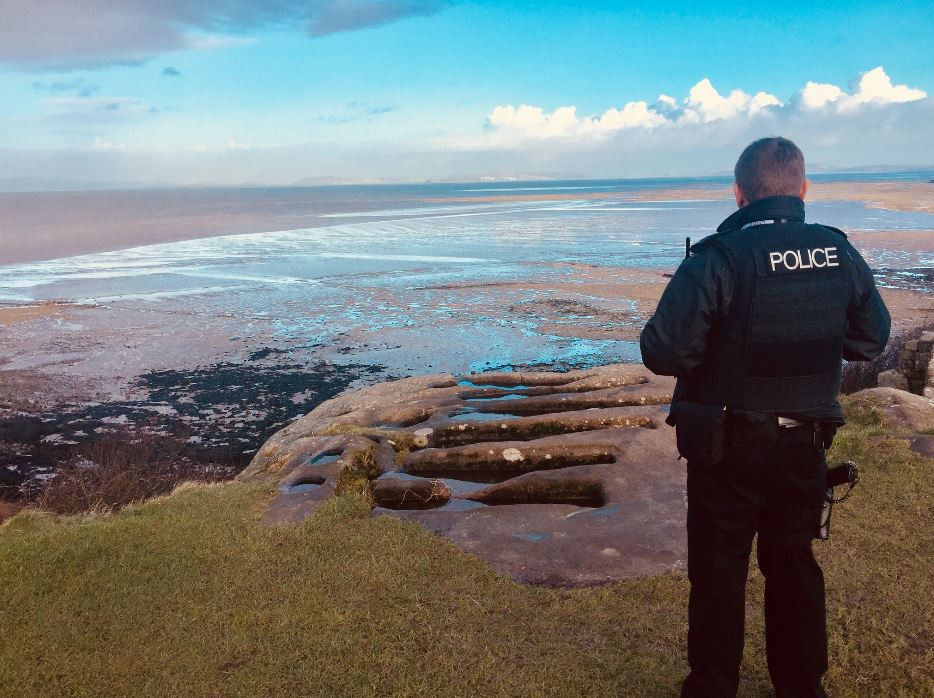
It’s a question we’ve been asked recently, and we understand why. The CNC is going through a significant period of change. ECIP, site cessation and the consultations linked to both are affecting different parts of the organisation in different ways. For some officers, those changes are immediate and very personal.
In many ways, asking what the Federation is doing is also a useful temperature check of how people across the CNC are feeling. Some areas of the organisation are under more pressure than others, and that will inevitably shape how visible, or otherwise, the Federation’s work feels to individual members.
Much of what we do happens behind the scenes, through consultation, negotiation, challenge, and individual representation. That means it isn’t always obvious what the Federation is doing day to day, so it’s worth explaining what that work actually looks like.
Standing up for your pay, welfare and rights
The CNPF represents around 1,400 Constables, Sergeants, Inspectors and Chief Inspectors across the CNC. We champion fair pay for our members and negotiate terms and conditions.
We’re also consulted on policies and proposed changes that directly affect officers. That can include working practices, duties, conduct, training, promotion and wider organisational change. In those discussions, we represent members’ views, raise concerns, challenge where necessary, and try to influence the outcome. That work is particularly visible at the moment through ECIP and site cessation, but it goes on throughout the year across a much wider range of issues.
We also engage directly with ministers, MPs and other policing bodies where legislation, policy or wider developments may affect CNC officers, while maintaining links with Police Federations and staff associations across the UK.
Support when you need it
Federation work also involves supporting individuals, and demand for support has increased. Both conduct cases and welfare requests have grown, and the issues members bring to the Federation are becoming broader and, in some cases, more complex.
Darren Adams, Chair of CNPF, explains that one of the biggest misconceptions is that asking the Federation for legal support automatically means going straight to a solicitor.
He said: “Members come to us with all sorts of issues and, understandably, sometimes the first thought is that they need a solicitor. That might be a conduct matter, a grievance, an employment or contractual issue, or increasingly something connected to vetting. Our job is to understand what the issue is, what process applies and what level of support is actually needed.”
“Sometimes that will mean legal advice or representation, but not always. Our reps have the knowledge and experience to deal with many matters directly, and where specialist legal support is needed, we can identify that and make sure the right route is followed.”
“It’s a bit like arriving at A&E. You don’t necessarily go straight to a consultant. Someone first understands what’s wrong, deals with what they can and makes sure you get to the right specialist if that’s what’s needed. That’s essentially the approach we take when members come to us asking for legal support.”
That is one reason members are encouraged to contact the Federation early, particularly before seeking independent legal advice. Bringing us in at the outset allows us to understand the issue, explain the available options and identify what level of support may be appropriate.
The Federation has also invested in the knowledge and training available at unit level.
Every unit now has access to a trained conduct representative, while our reps also support members through performance processes and matters involving operational policy. That can mean helping an officer understand the process they are facing, ensuring policy is being applied properly, representing them at meetings, challenging decisions where appropriate and raising wider concerns where an issue appears to affect more than one officer.
Our health and safety representatives are working towards IOSH qualifications, and representatives have also received Mental Health First Aid training. With welfare requests increasing, that ability to recognise when somebody may need additional support has become an increasingly important part of the representative role.
More than you might expect
The Federation has also expanded the range of services available to members over the last 18 months. These now cover areas including group insurance, legal services, welfare support, healthcare, financial services and a range of other member benefits.
Rather than list everything here, members can find the full, current range of services on the CNPF website, including what is available and how to access it.
Treasurer Ian Muir said: “There is a range of services available, as and when members need them. Group Insurance is one example, but the same is true of welfare, healthcare, legal and financial services. There is also the support we hope no one will ever need, such as the assistance the Federation can provide to families after the sad death of a colleague.”
Why it matters
That wider role becomes even more important during periods of organisational change.
As Chief Executive Colin Longstaff puts it: “The Federation’s role is to represent members, individually and collectively.
“Sometimes that means negotiating or consulting with the organisation. Sometimes it means challenging a decision or raising an issue on behalf of a group of officers. Otherwise, it simply means sitting down with one member and helping them through something difficult.
“A lot of that work will never be particularly visible to the wider membership, because much of it involves individual cases or discussions that quite rightly remain confidential.”
As a Federation, we can only act on the issues we know about. If something is affecting you, or you are unsure about something happening in your area, speak to your Federation representative. We’re also continually looking for opportunities to expand support and new ways to support members. If you have thoughts, we encourage you to share them with us.